Professor Narender Ramnani Steps into Presidency at the British Neuroscience Association
29th April 2025



 Photograph courtesy of Imperial College London. Photographer: Thomas Angus.
With a degree in neuroscience or a related discipline there are many exciting careers from which to choose, both within research and in fields far beyond.
| BNA job board Neuro jobs around the UK & Ireland |
| Can't find what you are looking for? You might also be interested in: |
| FENS job board Neuro jobs around Europe |
| Jobs.ac.uk Neuro jobs around the World |
People who study neuroscience can go on to have careers in:
In addition to these careers, neuroscience is being applied to many other specialist fields, for example: neuroethics – the social, legal and ethical consequences of advances in brain research; neuroeconomics – risk-taking and decision making that influence business and the economy; and neurotechnology – combining engineering and IT with neuroscience.
BNA Careers and Talent Recruitment Fair: Top tips and advice
Inspired by our Careers and Talent Recruitment Fair, which took place on the 22nd February 2024, this booklet has been put together by the BNA to provide our Undergraduate, Postgraduate and Early Career Starter members with a few tips and key takeaways that we think will be of great benefit to those looking towards starting their career.
It includes a quick summary of the event itself for those who didn't attend, an overview of the representatives of each attending organisation, key takeaways, a section on networking, and summaries of the inspirational career talks given by Irina Jurenka of Google DeepMind and Colby Benari, the CEO of In2science UK.
NEUROSCIENCE - UNRAVELLING THE MYSTERIES OF THE BRAIN: A Career Guide for Students
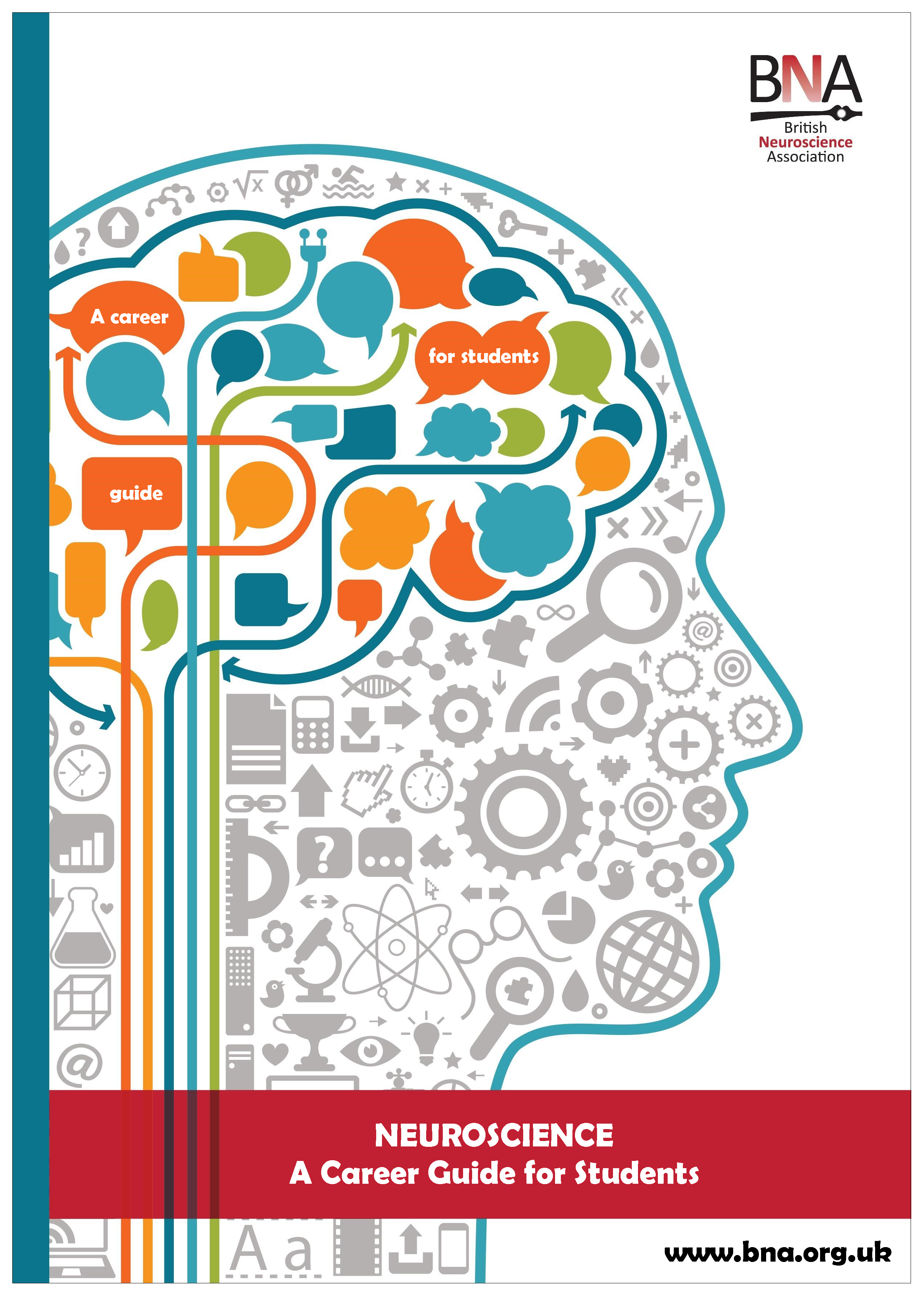 The BNA has written this highly informative leaflet for A-Level / Scottish Advanced Highers / IB students upwards. It covers basic neuroanatomy, undergraduate and postgraduate entry into neuroscience, and possible career paths involving neuroscience, as well as a selection of recent case studies from a range of neuroscientists.
You are welcome to download your free copy here.

Considering a Career in Academia? BNA2023 academic speakers share top tips for early-career researchers
Written by student and Digital Marketing Assistant, L. Sophie Gullino at BNA2023
How to achieve Fellowship success: The Person, The proposal, The Place, The Interview
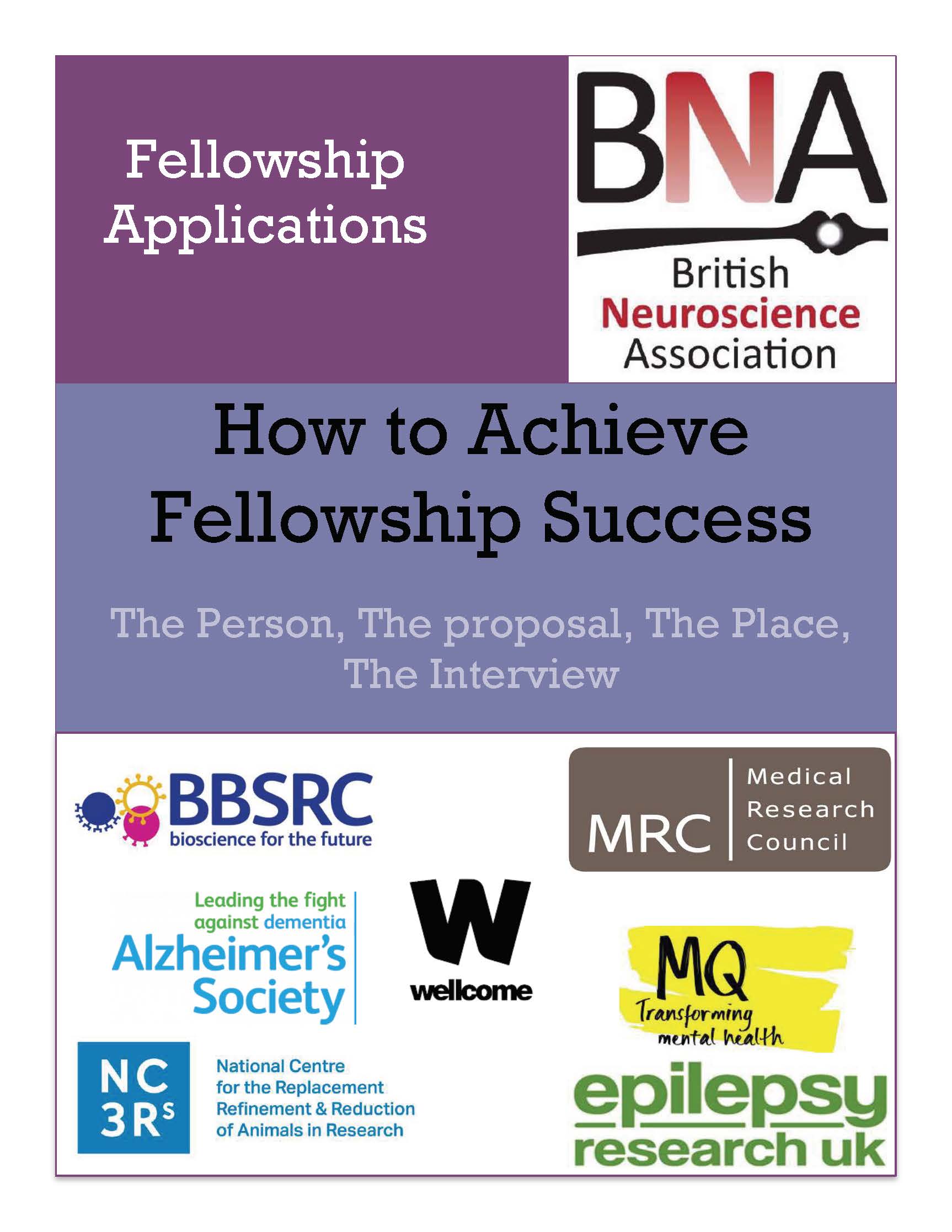 This booklet has been put together by the British Neuroscience Association (BNA) to support early career researchers and to aid fellowship application success.The BNA have asked fellowship funders how they select their fellows and this guide takes you through what each is looking for, summarising the most important points first at the beginning and again at the end as a personal tick list for fellowship success
BNA members can access the guide here.