Join us to discover how the living brain slice is revealing new mechanisms of seizure generation, improving translational research, and shaping future therapeutic strategies.
Advances in ex vivo brain slice technology are transforming how we study epilepsy at the cellular and network level.
In this one-hour webinar, two leading experts will explore how the living brain slice is revealing new mechanisms of seizure generation, improving translational research, and shaping future therapeutic strategies.
The session will include chaired discussion and a live 15-minute Q&A, offering attendees the opportunity to engage directly with the science and its clinical implications.


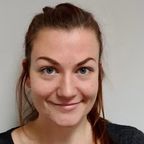
Assistant Professor (Physiology), Trinity College Dublin
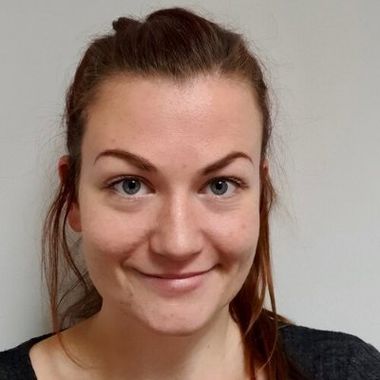
Dr Kate Connor is Assistant Professor of Physiology at Trinity College Dublin, where her research focuses on difficult-to-treat cancers with significant unmet clinical need, particularly in the field of neuro-oncology. Her work centres on glioblastoma and brain tumour–related epilepsy, combining cancer biology, neuroscience, and advanced imaging approaches to better understand disease progression and therapeutic response.
Dr Connor’s research involves the development of advanced preclinical models of brain tumours, investigation of tumour microenvironment vulnerabilities, and the study of mechanisms underlying response to immunotherapy. She also works on innovative translational strategies, including gene therapy approaches aimed at improving outcomes for patients with brain tumours and associated neurological complications.
Her interdisciplinary research integrates molecular biology, neurophysiology, and radiomics to support the development of precision medicine approaches in neuro-oncology, with the goal of advancing new therapies from laboratory discovery towards clinical application.

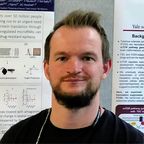
University of Manchester
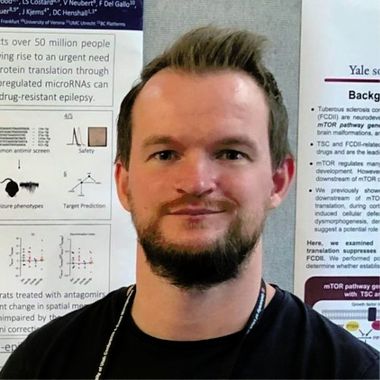
Dr Gareth Morris completed his PhD, studying network oscillations, in epilepsy in 2014 (University of Birmingham). He has held postdoc positions at the UCL Institute of Neurology and the Royal College of Surgeons in Ireland. He was awarded a Marie Sklodowska-Curie Actions Individual Fellowship to study microRNAs in epilepsy and then, in 2021, he was awarded an Epilepsy Research UK Fellowship to develop a novel therapeutic approach for epilepsy using gene therapy. In 2023, Dr Morris joined the University of Manchester as a Lecturer (Assistant Professor) and has since established an independent research lab, primarily focused on advanced therapeutics for epilepsy.Please accept {{cookieConsents}} cookies to view this content