
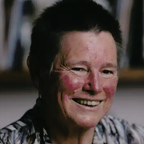
Helen Beaumont

David Chambers

Cherelle Emery

Anna Goodman

John Hardy

Ashton Harper

Fiona Jeganathan

Carole Lee

Gill Livingston

Katie Lunnon
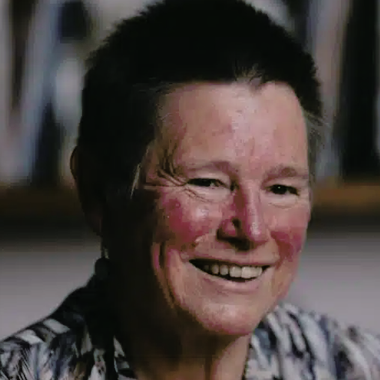


Anna is the Research Involvement Manager at Alzheimer’s Research UK, where she supports people affected by dementia to guide our grant-making and strategic programmes, as well as helping dementia researchers with planning patient and public involvement (PPI) for their projects. Prior to joining Alzheimer’s Research UK, Anna facilitated PPI in respiratory research projects and clinical trials. As a member of the CCLG Patients and Public Involvement group, she supports cancer research as a volunteer.


Ashton is the Global Medical Affairs Indication Lead for Neurosciences at Roche Diagnostics, providing strategic direction for Roche Diagnostics' rapidly growing neurology portfolio, focusing on evidence generation, external collaborations, medical education, and KOL engagement. Ashton joined Roche Diagnostics in August 2020 as the Head of Medical Affairs for the UK & Ireland, leading clinical research across various therapeutic areas, including oncology, cardiology, neurology, infectious diseases, critical care, and women’s health.
Ashton studied medicine at University College London, earning both an MBBS and a B.Sc. in physiology and pharmacology. He worked as a doctor in the NHS and achieved membership in the Royal College of Surgeons. During his surgical training, he was awarded a postgraduate fellowship to the Cleveland Clinic in the USA to observe experts in inflammatory bowel disease.
Outside of his role at Roche, Ashton has been the UK & Ireland Chapter Lead of the Medical Affairs Professional Society since February 2022.
Throughout his career, Ashton has designed and initiated numerous clinical trials across a range of therapeutic areas and has frequently lectured internationally. He has been published in fields such as surgery, gastroenterology, neurology, infectious diseases, and microbiology, and has presented at multiple international medical conferences

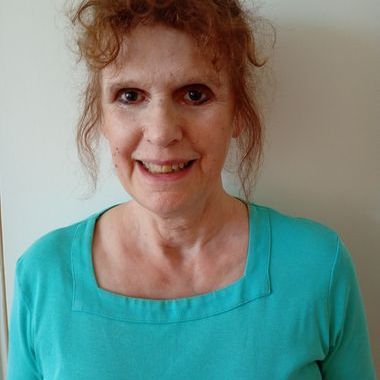
Both Carole’s parents were diagnosed with late onset Alzheimer’s. Her mother, in particular, lived for over 10 years with this gradually worsening condition, until she passed away in 2024. Carole has been a volunteer for Alzheimer’s Research UK since 2020 and has recently served on their Clinical Committee, helping to question applicants from a Lived Experience point of view, as well as reviewing written applications and ARUK literature.

Gill is a clinical academic working with people with suspected or confirmed dementia and their families. Her interdisciplinary research uses epidemiological and biopsychosocial approaches to co-design and evaluate evidence-based interventions across the life course.
She led the Lancet Standing Commission on Dementia Prevention, Intervention and Care in 2017, 2020 and 2024, producing influential research and meta-analyses on dementia risk and prevention that have informed international policy, including WHO, UK and US guidance.
Gill’s work also focuses on improving the lives of people with dementia, their carers and care staff, particularly in underserved and minority communities. She co-developed the START intervention for family carers, which improves mental health and quality of life and has been adapted internationally. She also co-leads research to improve sleep and cognition in family carers and underserved midlife and older populations.

Katie is Professor of Dementia Genomics at the University of Exeter Medical School, with a particular interest in dementia. Katie graduated with a BSc Honours degree in Biochemistry & Pharmacology (1st Class) from the University of Southampton in 2004. It was during this Batchelor's degree that Katie became fascinated by dementia, which naturally led on to her PhD studies in the CNS Inflammation Group at the University of Southampton under the supervision of Professor Hugh Perry. During her PhD she investigated the effect that systemic inflammation has on the brain, particularly in dementia.
In 2008 Katie started a post-doctoral research position in the Department of Old Age Psychiatry in King's College London. In this role she identified peripheral changes that occur in the blood of people with Alzheimer's disease. Subsequently in 2011 Katie moved to the Social, Genetic and Developmental Psychiatry (SGDP) Centre also within King's College London to work in the Psychiatric Epigenetics Group. Here she combined techniques she had previously acquired, with cutting-edge methylomics technology to investigate the role of DNA methylation in late-onset Alzheimer's disease aetiology. This work represented the first high-throughput, genome-wide, cross-tissue methylomic study in Alzheimer's disease.
Katie was appointed as a Lecturer at the University of Exeter Medical School, in June 2013, became a Senior Lecturer in September 2015, an Associate Professor in April 2017 and Professor in July 2019. Here the focus of her research surrounds investigating genomic mechanisms in dementia.