The BNA’s Annual Festive Symposium is a unique opportunity for the neuroscience community to come together in a relaxed and sociable setting. This event fosters cross-sector connections and provides a platform for researchers at all career stages to explore new ideas, share insights, and build collaborations.
How does the brain build our experience of the world, and what happens when reality changes?
From perception and attention to hallucinations, psychedelics and computational psychiatry, this symposium brings together leading neuroscientists, clinicians and psychologists to explore one of neuroscience's most fundamental questions: how the brain constructs reality.
The programme combines world-leading research with engaging talks, discussion and networking.
Featuring:

Edmond J. Safra Professor of Neuropsychopharmacology and Director, Neuropsychopharmacology Unit in the Division of Brain Sciences

Senior Lecturer and Consultant Neuropsychiatrist, King’s College London and National Autism Unit and Neuropsychiatry Brain Injury Clinic

Professor of Psychodynamic Neuroscience in the Division of Psychology and Language Sciences, University College London

Professor of Psychology and Brain Sciences, University College London Institute of Cognitive Neuroscience


Professor of Neuroimaging & Psychopharmacology and Director of the Centre for Innovative Therapeutics, King’s College London

Edmond J. Safra Professor of Neuropsychopharmacology and Director, Neuropsychopharmacology Unit in the Division of Brain Sciences
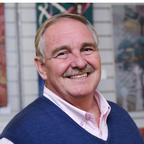
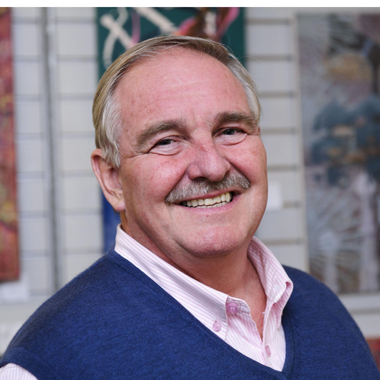
Professor David Nutt is Edmond J. Safra Professor of Neuropsychopharmacology at Imperial College London and Director of its Neuropsychopharmacology Unit. A psychiatrist and internationally recognised researcher, his work focuses on the effects of drugs on the brain, with particular interests in addiction, anxiety, depression, sleep and psychedelic therapies. He has published more than 500 research papers and numerous books and reports. Professor Nutt has held senior roles with organisations including the European College of Neuropsychopharmacology, European Brain Council and British Association of Psychopharmacology, and previously served as President of the British Neuroscience Association. He is also Chair of DrugScience and is widely engaged in public science communication.
Senior Lecturer and Consultant Neuropsychiatrist, King’s College London and National Autism Unit and Neuropsychiatry Brain Injury Clinic
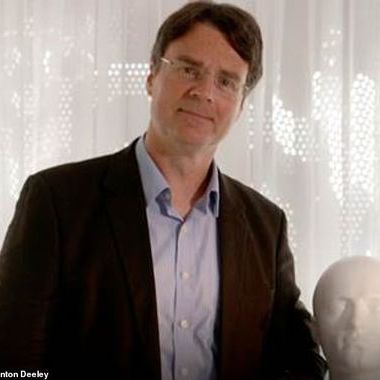
Dr Quinton Deeley is a Senior Lecturer in Social Behaviour and Neurodevelopment at King’s College London’s Institute of Psychiatry, Psychology & Neuroscience, and a Consultant Neuropsychiatrist at the National Autism Unit and Neuropsychiatry Brain Injury Clinic. His interdisciplinary research explores the relationships between culture, cognition, brain function and behaviour, with particular interests in autism, social cognition, belief formation, psychosis, dissociation, hallucinations and religious experience. He combines clinical neuroscience with approaches from philosophy and anthropology, using methods including neuroimaging, EEG, phenomenological interviews and experimental approaches to cognition. He chairs King’s Cultural and Social Neuroscience Research Group and the Maudsley Philosophy Group.

Professor of Psychodynamic Neuroscience in the Division of Psychology and Language Sciences, University College London
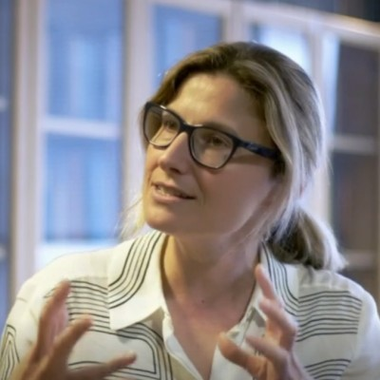
Professor Aikaterini (Katerina) Fotopoulou is Professor of Psychodynamic Neuroscience in the Division of Psychology and Language Sciences at University College London. Her interdisciplinary research explores the relationship between mind, brain and body, with particular interests in interoception, bodily self-awareness, emotions, memory, pain and consciousness. Her work examines how bodily and social experiences shape our sense of self, including in neurological and psychiatric conditions such as stroke, functional neurological disorders, chronic pain and eating disorders. She leads research spanning cognitive neuroscience, neuropsychology and psychodynamic approaches, and has received major research funding including European Research Council grants. She is President of the European Society for Cognitive and Affective Neuroscience.
Professor of Psychology and Brain Sciences, University College London Institute of Cognitive Neuroscience
Professor Nilli Lavie FBA is Professor of Psychology and Brain Sciences at University College London’s Institute of Cognitive Neuroscience, where she leads the Attention and Cognitive Control Group. Her research investigates the psychological and neural mechanisms underlying attention, distraction, visual awareness, executive control and the interaction between emotion and attention. She is internationally recognised for developing Load Theory of Attention and Cognitive Control, which examines how limited information-processing capacity shapes perception and behaviour. Professor Lavie uses behavioural experiments, neuroimaging and other cognitive neuroscience methods to investigate how the brain processes information and why we sometimes fail to notice important events. She was elected a Fellow of the British Academy in 2016.
Neuropsychologist & Lecturer, University of Sussex
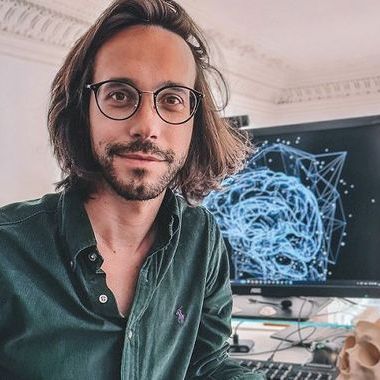
Dr Dominique Makowski is a Lecturer in Psychology at the University of Sussex and leads the Reality Bending Lab. A clinical neuropsychologist and CBT psychotherapist, his research explores reality perception, deception, fake news, illusions and altered states of consciousness, alongside the roles of emotion and bodily signals in cognition.
Professor of Neuroimaging & Psychopharmacology and Director of the Centre for Innovative Therapeutics, King’s College London
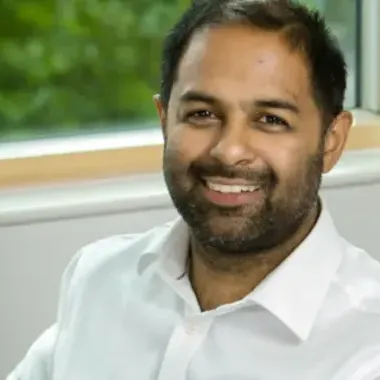
Professor Mitul Mehta is Professor of Neuroimaging & Psychopharmacology at King’s College London and Director of the Centre for Innovative Therapeutics. He also leads the Experimental Medicine and Novel Therapeutics theme at the NIHR Maudsley Biomedical Research Centre. His research uses neuroimaging, neuropsychology and behavioural testing to investigate how drugs affect brain function and to understand the mechanisms of existing and potential new treatments for psychiatric and neurological disorders. His work spans systems including dopamine, serotonin, glutamate and other neurotransmitter pathways, with applications across conditions including depression, ADHD, schizophrenia and Parkinson’s disease. He is also President-Elect of the British Association for Psychopharmacology.Please accept {{cookieConsents}} cookies to view this content