AI and the Brain 2026: Exploring the Future of Intelligence
The British Neuroscience Association's AI and the Brain event on 12th May brought together leading researchers, clinicians, technologists and students for a sold-out day exploring the rapidly evolving relationship between neuroscience and artificial intelligence.
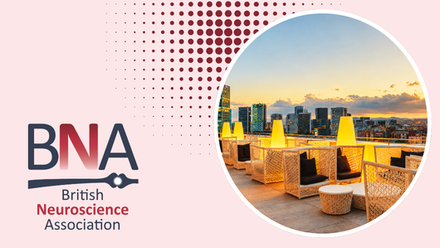
The meeting, held at Sainsbury Wellcome Centre in London, showcased how advances in AI are transforming neuroscience research while demonstrating how discoveries about the brain continue to inspire the development of more intelligent technologies. Throughout the day, internationally recognised experts shared insights spanning dementia prediction, mental health, learning, neurotechnology, AI safety and the biological foundations of intelligence.
Professor Narender Ramnani opened the meeting by welcoming delegates and highlighting the importance of collaboration between the neuroscience and AI communities in tackling some of the most exciting scientific challenges of our time.
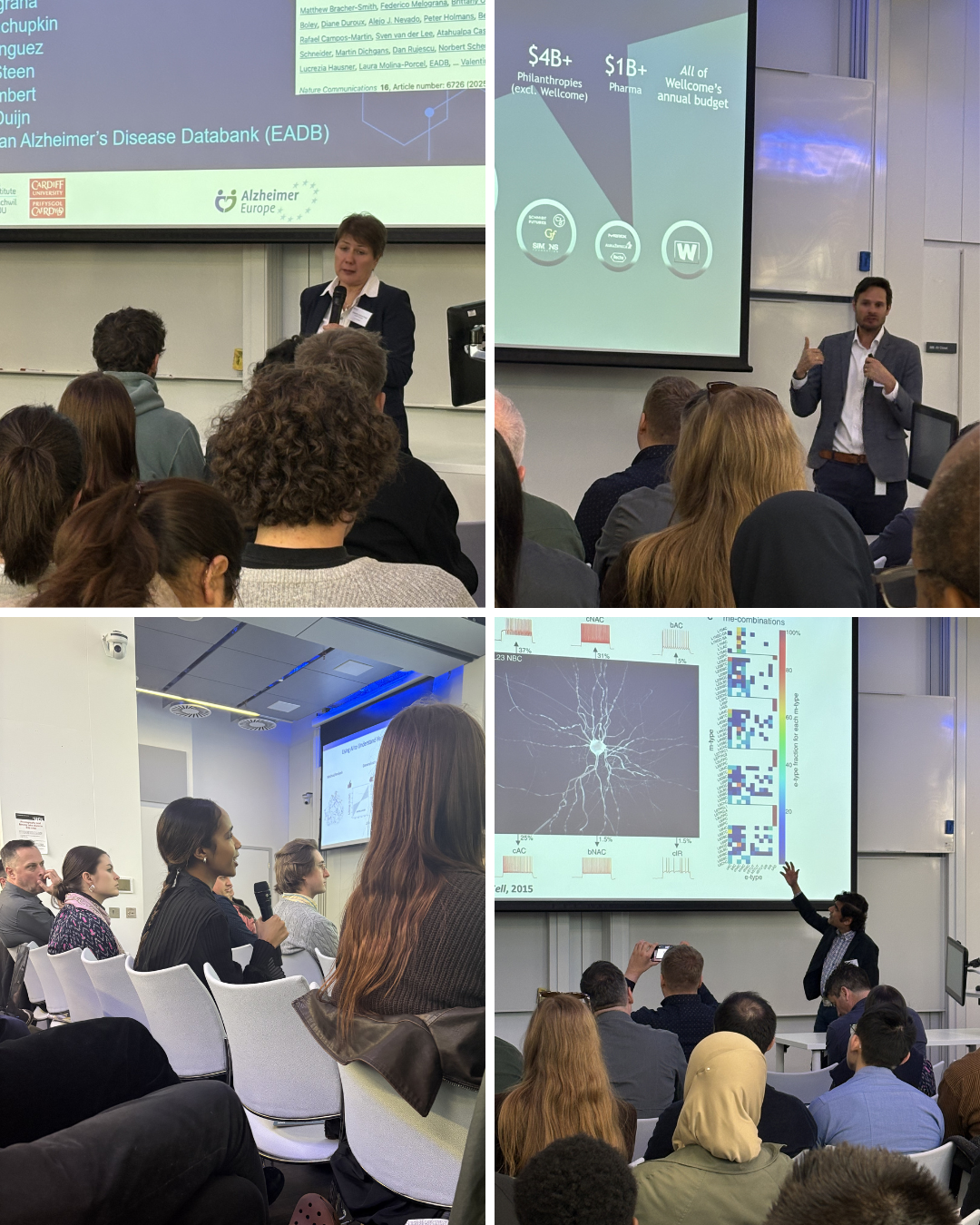
The morning sessions focused on the application of AI to neuroscience and healthcare. Professor Valentina Escott-Price (Image - top left) demonstrated how machine learning can improve dementia risk prediction using large-scale genomic and clinical datasets, while Dr Matthew Brown (Image - top right) explored the opportunities - and challenges - of implementing AI technologies in mental healthcare.
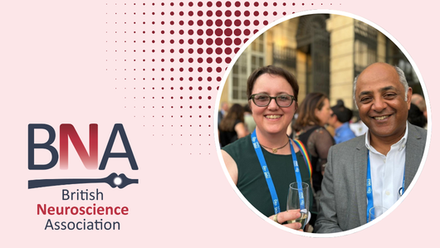
Delegates engaged directly with speakers during lively Q&A sessions, asking questions and exploring the latest developments in neuroscience and AI (Image - bottom left).
Dr Srikanth Ramaswamy (Image - bottom right) then examined how neuromodulatory systems in the brain could inspire the next generation of artificial neural networks, illustrating the growing influence of biological intelligence on AI development.
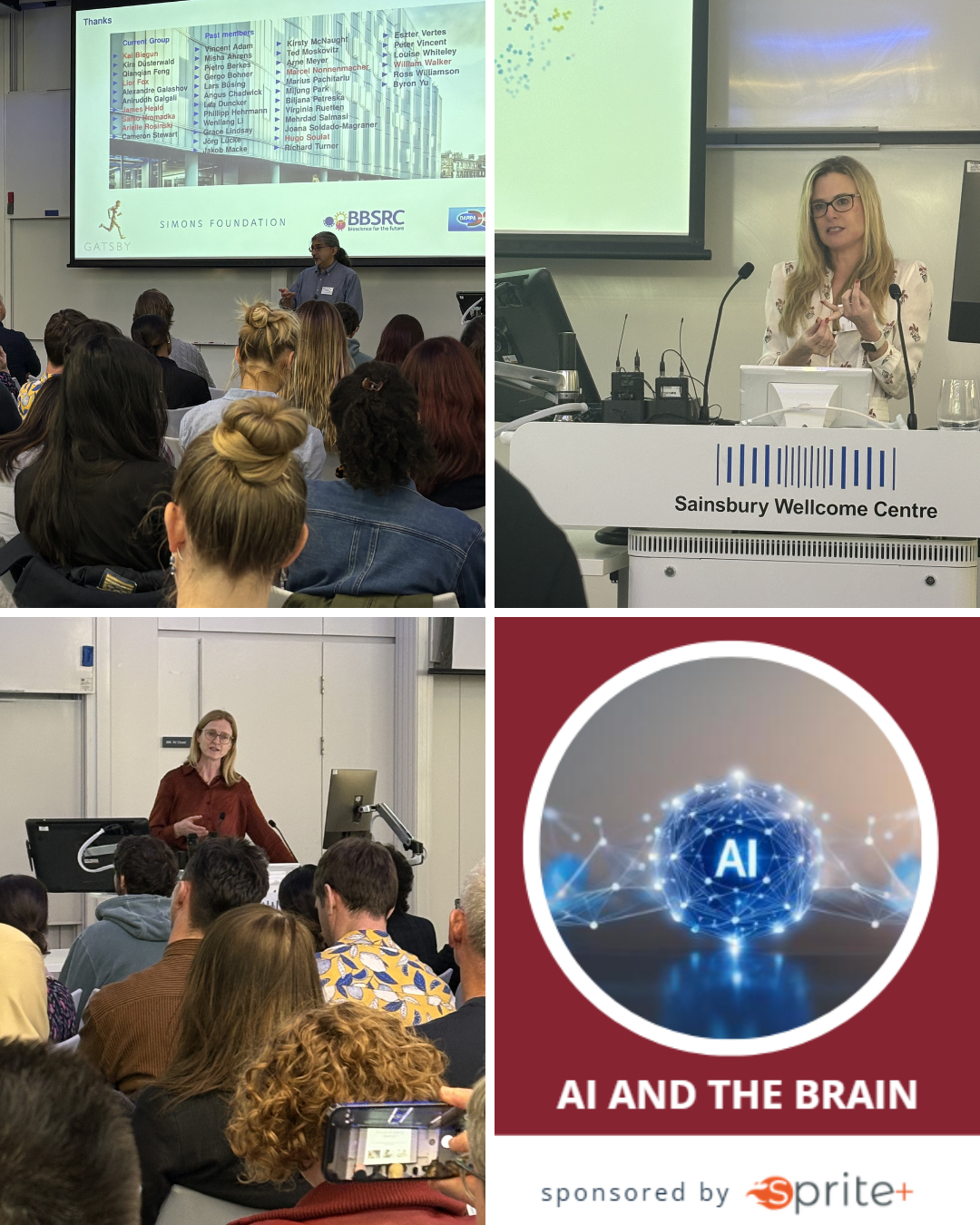
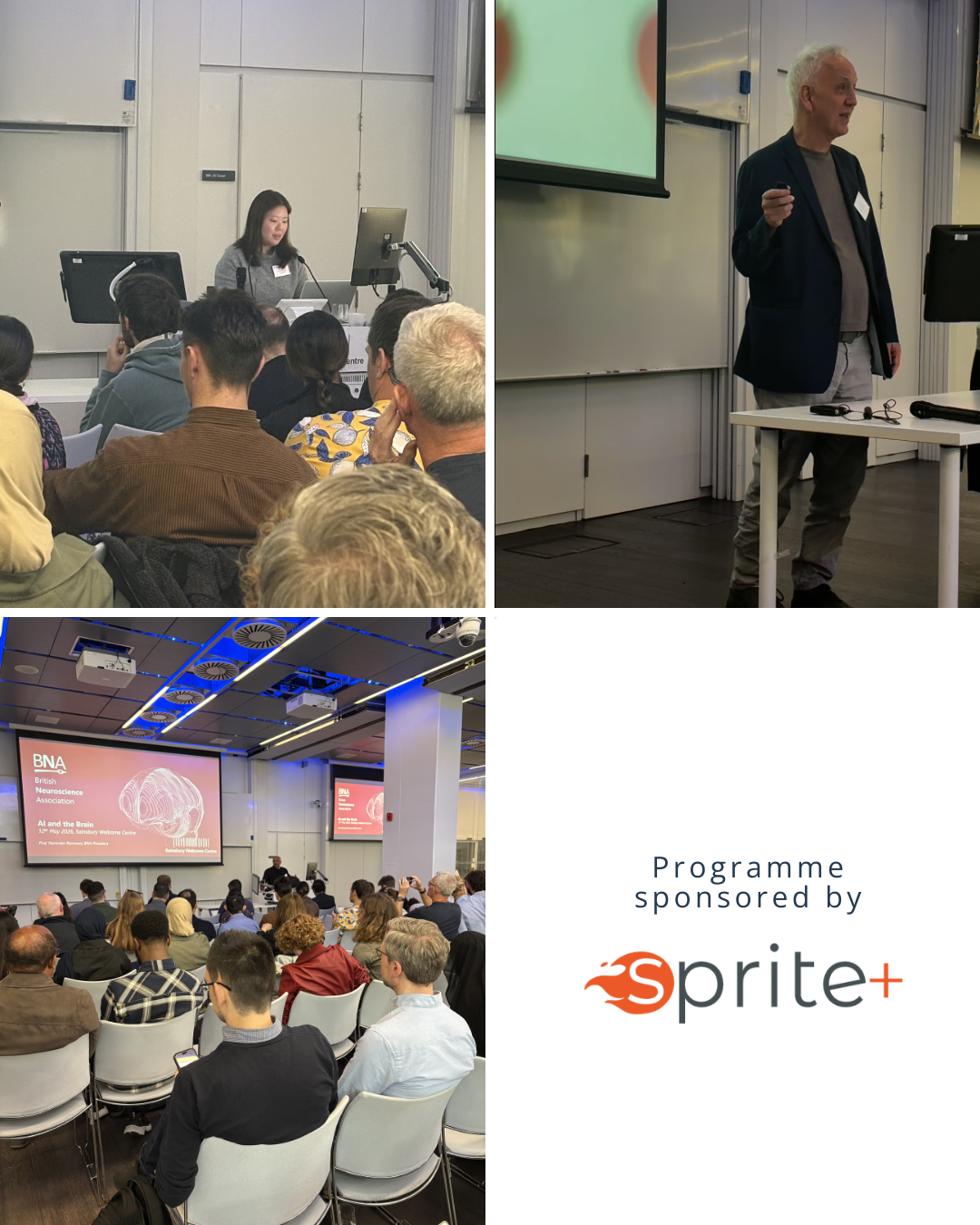
The keynote lecture from Professor Maneesh Sahani (Image - top left) explored the fundamental differences between biological and artificial intelligence. Drawing on his pioneering work in computational neuroscience and machine learning, he challenged the audience to consider what today's AI systems can still learn from the computational principles of the human brain.
Over a vegetarian lunch, delegates had the opportunity to network, meet the speakers and build new professional connections.
In the afternoon, Professor Heidi Johansen-Berg (Imahe - bottom left) discussed the neuroscience of brain plasticity and learning before Professor Tali Sharot (Image - top right) examined how AI is helping researchers better understand cognition, decision-making and human behaviour.
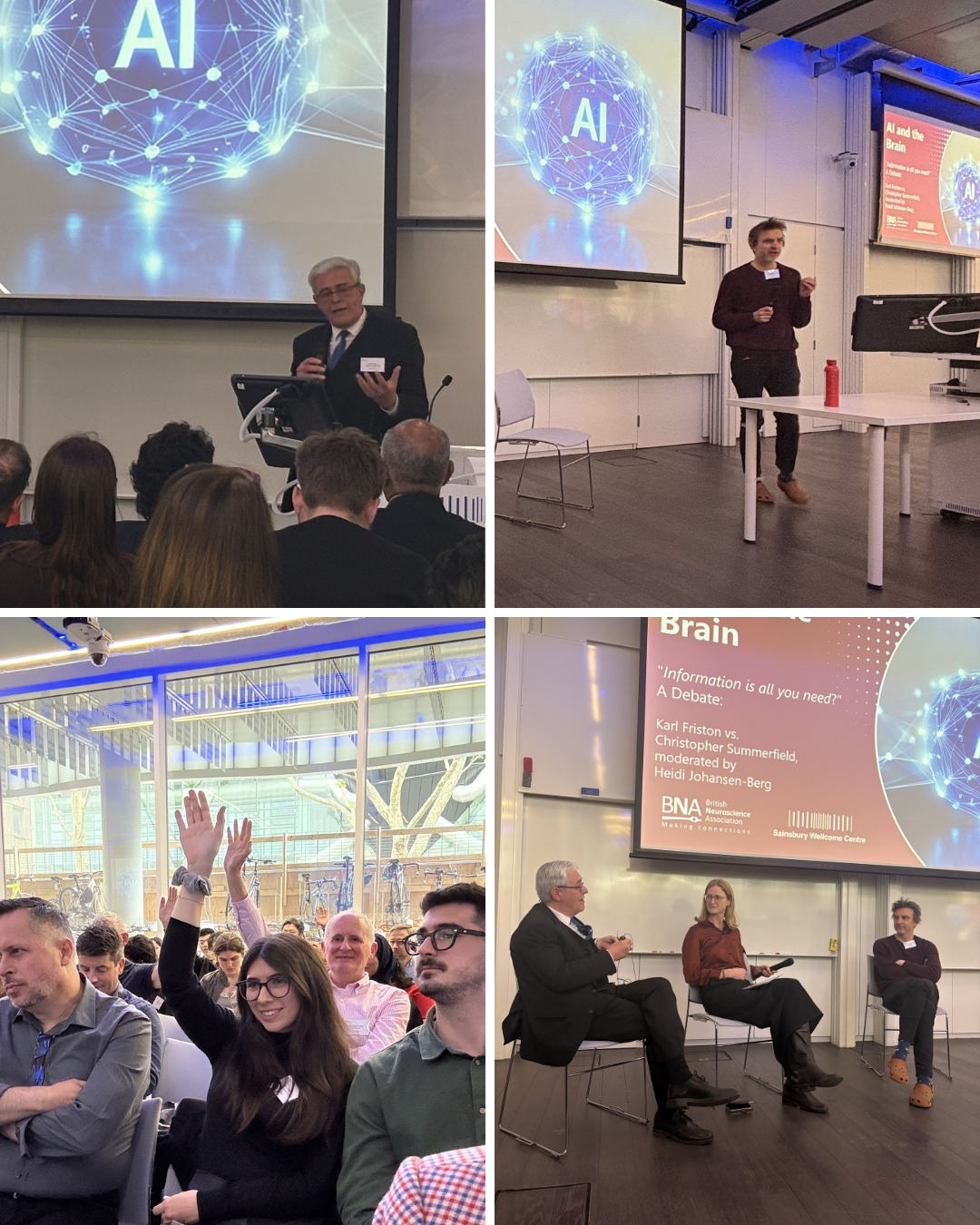
One of the highlights of the meeting was a lively debate chaired by Professor Heidi Johansen-Berg (Image - bottom right) featuring Professor Karl Friston (Image - top left) and Professor Christopher Summerfield (Image - top right). Their discussion on intelligence, learning and the future relationship between neuroscience and AI generated enthusiastic audience participation and thoughtful discussion.
Alongside the scientific programme, delegates had numerous opportunities to network throughout the day, fostering new collaborations between researchers from academia, healthcare, industry and policy. The event welcomed undergraduate and postgraduate students, early career researchers, established academics, clinicians, industry professionals and policymakers, creating a genuinely interdisciplinary environment.
The final scientific session turned to the societal implications of neurotechnology. Representatives from SPRITE+, Dr Sieun Lee (Image - top left) and Professor Mark Elliot (Image - top right), introduced the Trust, Identity, Privacy, Security and Safety (TIPSS) framework, encouraging attendees to consider the ethical and governance challenges accompanying emerging brain-related technologies.
AI and the Brain 2026 demonstrated both the transformative potential of artificial intelligence and the continuing importance of neuroscience in shaping future technologies. The enthusiasm of the sold-out audience reflected the growing interest in this rapidly developing field and highlighted the value of bringing together experts from across disciplines to exchange ideas and build new collaborations.
The BNA would like to thank all of our speakers, session chairs, delegates, exhibitors and partners for contributing to such a successful meeting. We look forward to continuing these conversations as neuroscience and AI continue to shape one another in the years ahead.
We look forward to welcoming you to an upcoming BNA event soon.