BNA Member Professor Christine Holt Honoured with 2026 Kavli Prize in Neuroscience
The British Neuroscience Association (BNA) is delighted to congratulate Professor Christine Holt FRS, FMedSci, CBE, a valued member of the BNA, on being named a recipient of the 2026 Kavli Prize in Neuroscience.
Professor Holt, Professor Emerita of Developmental Neuroscience at the University of Cambridge, shares the award with Professor Kelsey Martin (Simons Foundation, USA), Professor Erin Schuman (Max Planck Institute for Brain Research, Germany) and Professor Oswald Steward (University of California Irvine, USA).
The prize recognises their pioneering discovery of local protein translation in neurons and the establishment of its importance for brain development and plasticity.
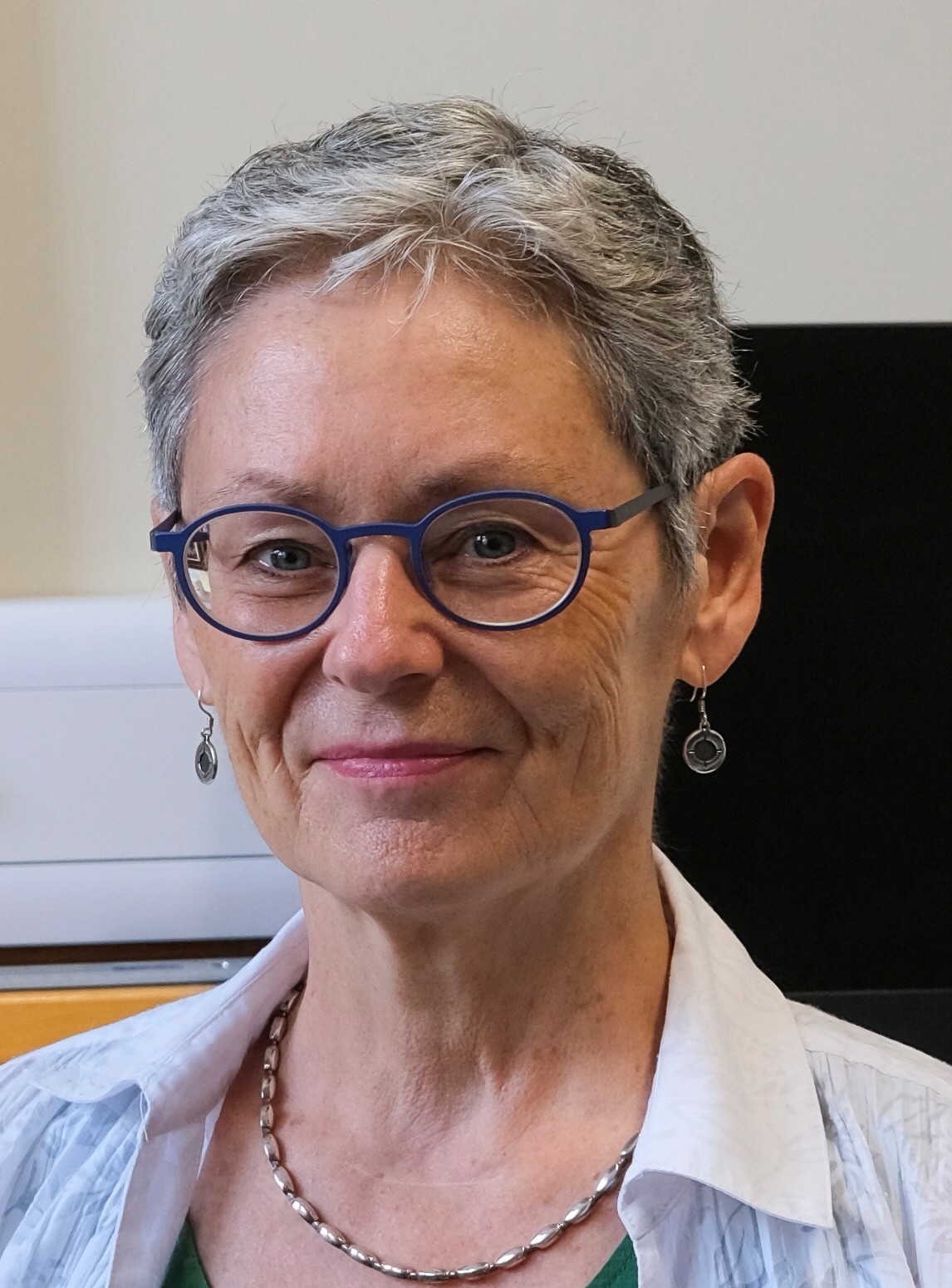
Image - Professor Holt, Professor Emerita of Developmental Neuroscience at the University of Cambridge.
Their work fundamentally changed our understanding of how the brain functions. For decades, scientists believed that proteins used by neurons were produced exclusively in the cell body before being transported to distant parts of the cell. Through decades of groundbreaking research, the four laureates demonstrated that neurons can instead synthesise proteins locally, directly at synapses and within neuronal processes, enabling individual connections to respond rapidly and independently to experience.
This process, known as local protein translation, helps explain how the brain can adapt so efficiently during learning and development. The discovery has transformed our understanding of neuronal plasticity and offers new avenues for investigating neurological and psychiatric conditions.
Professor Christine Holt said:
I’m absolutely delighted and deeply honoured to receive the Kavli Prize of Neuroscience. It’s a wonderful recognition of the research my colleagues and I have done over the years. Our discovery that local protein synthesis occurs in the axons of neurons and is needed for their correct guidance in the brain was first published in 2001. It took another 15 or so more years of intensive research by our team and collaborators to gain a better understanding of this RNA-based mechanism and its importance in wiring the brain and, perhaps surprisingly, in maintaining its nerve connections in adulthood. I’ve been very fortunate to work with many talented students, postdocs, and collaborators, particularly Bill Harris (my husband and fellow neuroscientist), so this prize recognises the work of the whole team. The recognition highlights the importance of doing basic research that is curiosity-driven and that brings new insight to understanding some of the neurodevelopmental and neurodegenerative diseases. I am particularly delighted to share this prize with my esteemed colleagues Erin Schuman, Kelsey Martin and Oswald Steward whose separate discoveries have inspired my own research.
Professor Holt's own contributions were instrumental in overturning long-held scientific dogma. She and her team worked for many years on the problem of how neurons wire-up properly during the development of the brain. Their work focused on axons - how they are guided along the correct pathways to their targets during development and, more recently, how they are maintained throughout life. In 2001, they discovered that local protein synthesis is triggered within minutes by guidance cues in the tips of growing axons and that this is required for their guidance. They subsequently found that thousands of different mRNAs are transported into the tips of these navigating axons where they are translated into proteins when and where they are needed. This mRNA-based mechanism enables the on-site on-demand supply of new proteins in distal neuronal processes and is essential for accurate brain wiring and synaptic function. Their work has also revealed that local protein synthesis occurs in adult axons and is essential for maintaining axon health. The Professor Holt’s work, along with that of the other Kavli Prize recipients, has highlighted important links between local protein synthesis and neurodevelopmental disorders such as Fragile X and neurodegenerative disease such as amyotrophic lateral sclerosis (ALS) and Multiple Sclerosis (MS).
Professor Holt studied Biological Sciences at the University of Sussex before completing a PhD in biophysics at King's College London. Following postdoctoral positions at the University of Oxford and the University of California San Diego, she established her own research group in California before returning to the UK in 1997 to join the University of Cambridge.
The Kavli Prize adds to an exceptional list of honours recognising Professor Holt's contributions to neuroscience, including the Brain Prize, the Rosenstiel Award, the Royal Society Ferrier Medal and the Champalimaud Vision Award.
Dr Laura Ajram, Chief Executive of the British Neuroscience Association, said:
We are incredibly proud to see Professor Christine Holt recognised with the Kavli Prize in Neuroscience. This honour reflects the transformative impact of her research and the persistence required to challenge established thinking in pursuit of scientific discovery. Christine's achievements have deepened our understanding of how the brain develops and adapts, with implications that extend across neuroscience and into the study of neurological disease. As a longstanding member of the BNA, her success also highlights the extraordinary calibre, creativity and global influence of our neuroscience community.
Everyone at the BNA extends our warmest congratulations to Professor Holt and her fellow laureates on this outstanding and richly deserved achievement.