Brain Awareness Week 2026 at the University of Westminster
During Brain Awareness Week 2026, five incredible events were held at the University of Westminster by the area's BNA Local Group to bring together the full breadth of their local community in uplifting careers, uniting the community, and sharing and celebrating brain science. Through the generous funding support from the University of Westminster Quintin Hogg Trust, British Neuroscience Association (BNA) and Dana Foundation – Federations of European Neuroscience Societies (FENS), our events attracted over 200 participants, including the university students, staff, and the general public. The organising team was made up of BNA members from a range of disciplines and career stages, including undergraduate students (Elizabeth Dakatse, Ruweyda Elmi, Giulia Cavallo), a doctoral candidate (Vera Bowerman), and senior academics (Dr Joan Liu, Dr Laura Boubert and Dr Claire Roberston from the College of Liberal Arts and Sciences, School of Life Sciences and Social Sciences).
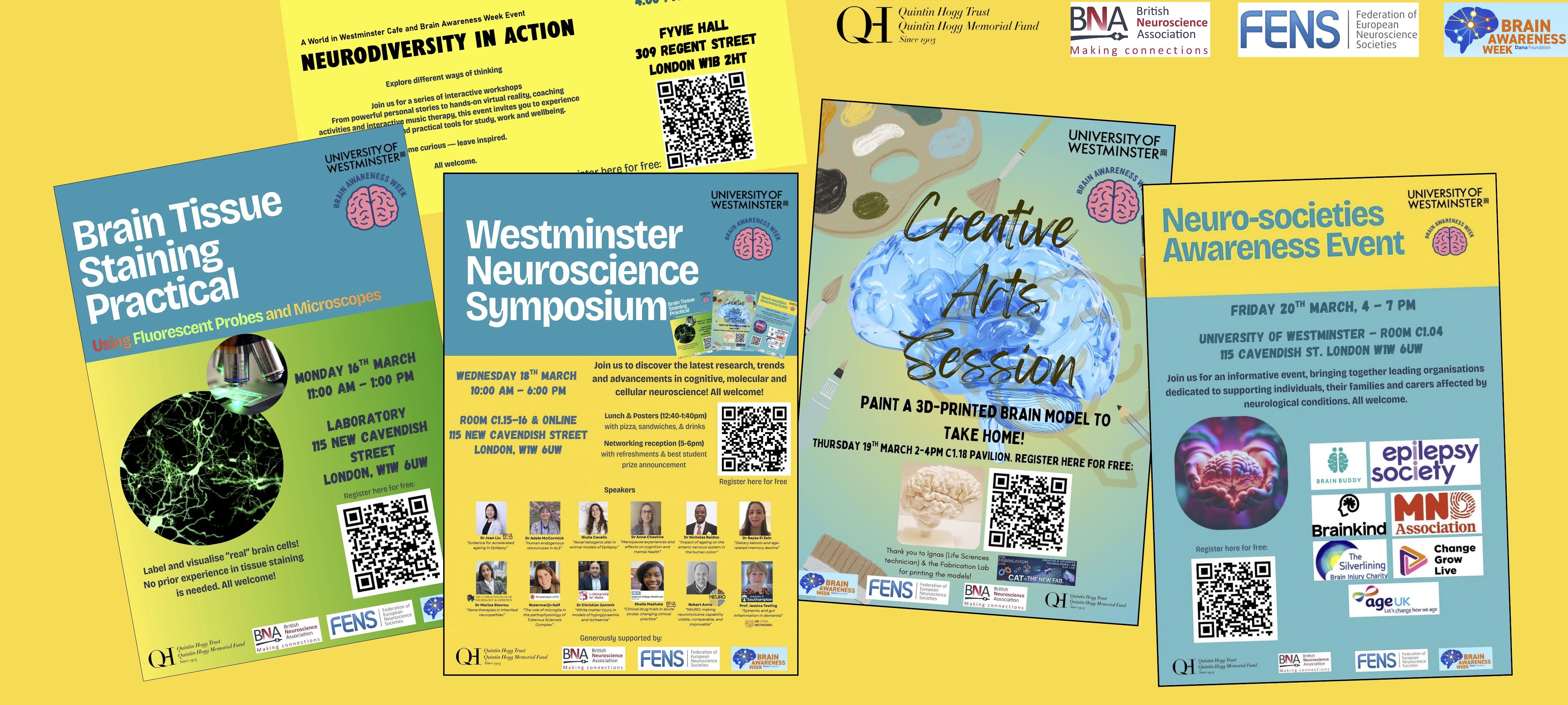
Flyers for each of the week's events, produced by the Westminster area BNA Local Group
The exciting week began with a Brain Tissue Staining Laboratory Practical where participants performed immunohistochemistry, immunofluorescence, and histological staining on 5mm-thin brain tissue sections. Participants were able to visualise labelled neuronal and astroglial cells using brightfield and fluorescent microscopes in the School of Life Sciences. All participants reported afterwards that they would recommend the session to their peers, and one commented: “I really enjoyed the lecturer explain what we are seeing on each and individual slide. The things that we learn in textbooks and lectures about the brain has really brought out that understanding”.
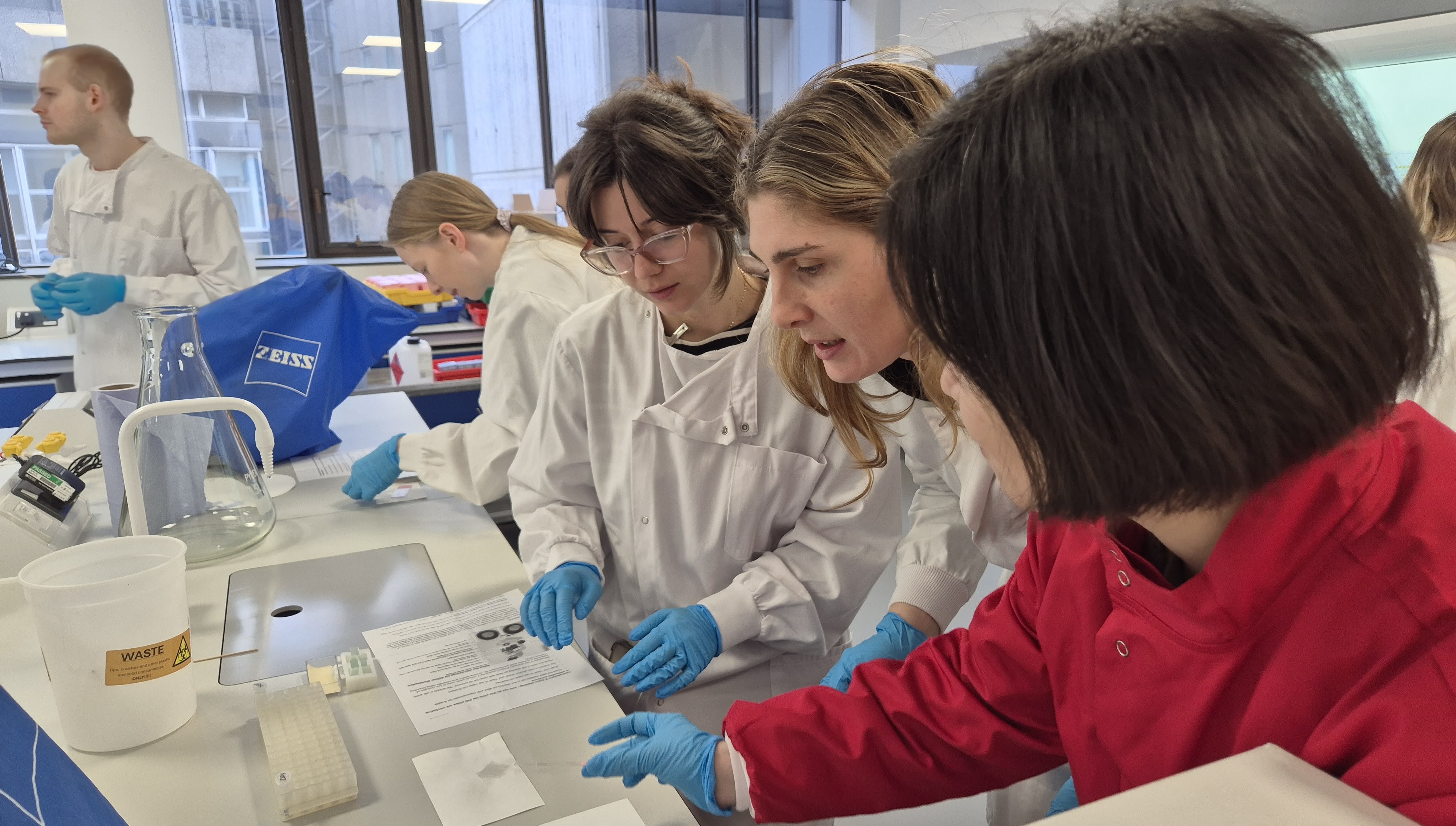
Participants learn practical techniques in the specialist workshop
As part of the Westminster Programme for Equity, Belonging and Sustainable Development, Dr Laura Boubert, Edgar Lee and Zahra Surooprojally organised an engaging Neurodiversity Celebration evening on Tuesday 17th March 2026 to bring together students, colleagues and guest speakers to explore neurodiversity. The celebration began with talks from neurodivergent artists, followed by interactive workshops led by specialist psychologist and music therapists. The evening was marked by moving stories of how neurodivergent individuals celebrated and raised awareness of neurodiversity through their life works despite incredible challenges, which were both insightful and inspirational. Edgar Lees, International Student Engagement Officer at the University of Westminster said: “This event was a great example of what can happen when care and intention come together. Laura led the vision beautifully, and our speakers brought both expertise and lived experience into the room in a way that felt open and accessible. It was not just about understanding neurodiversity, but about creating a space where students and colleagues could connect, reflect, and feel seen.”
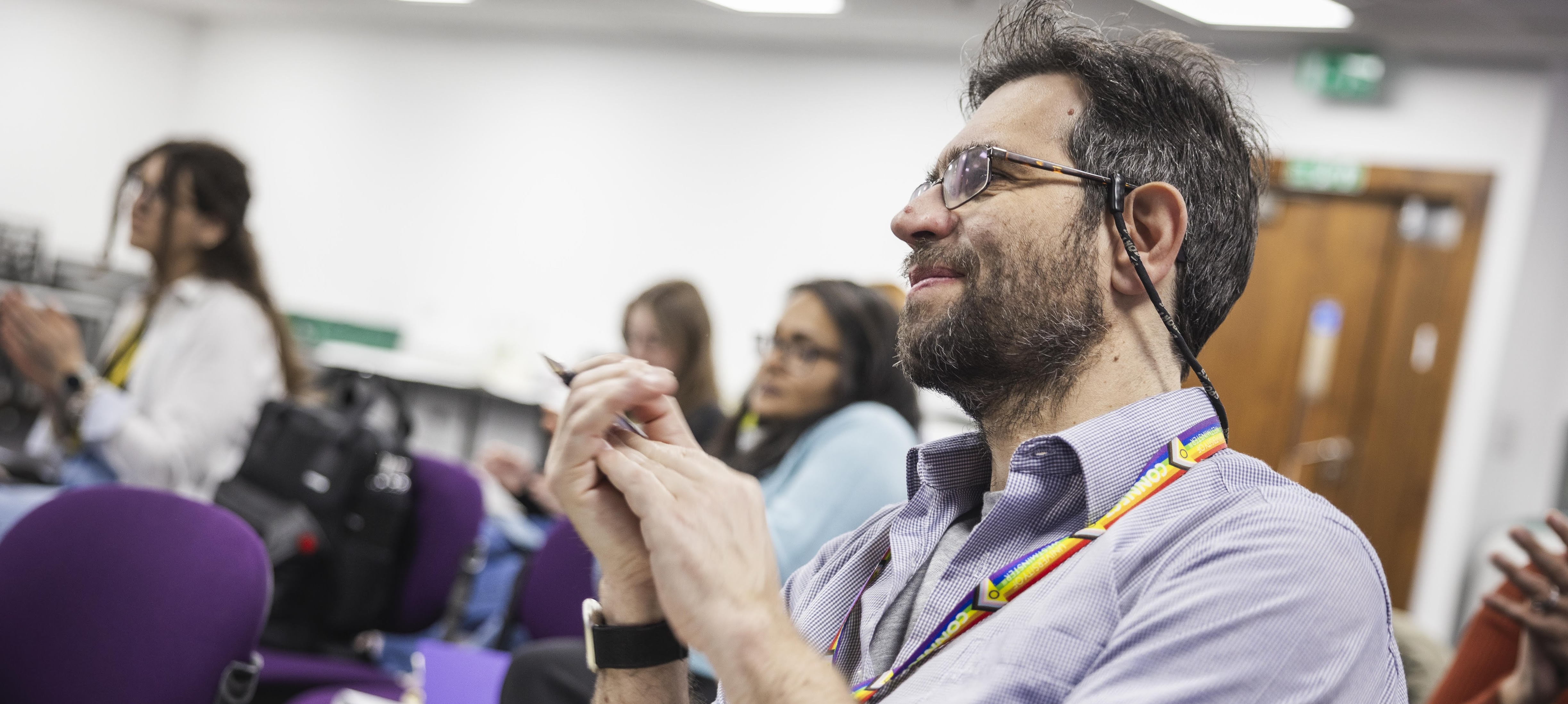
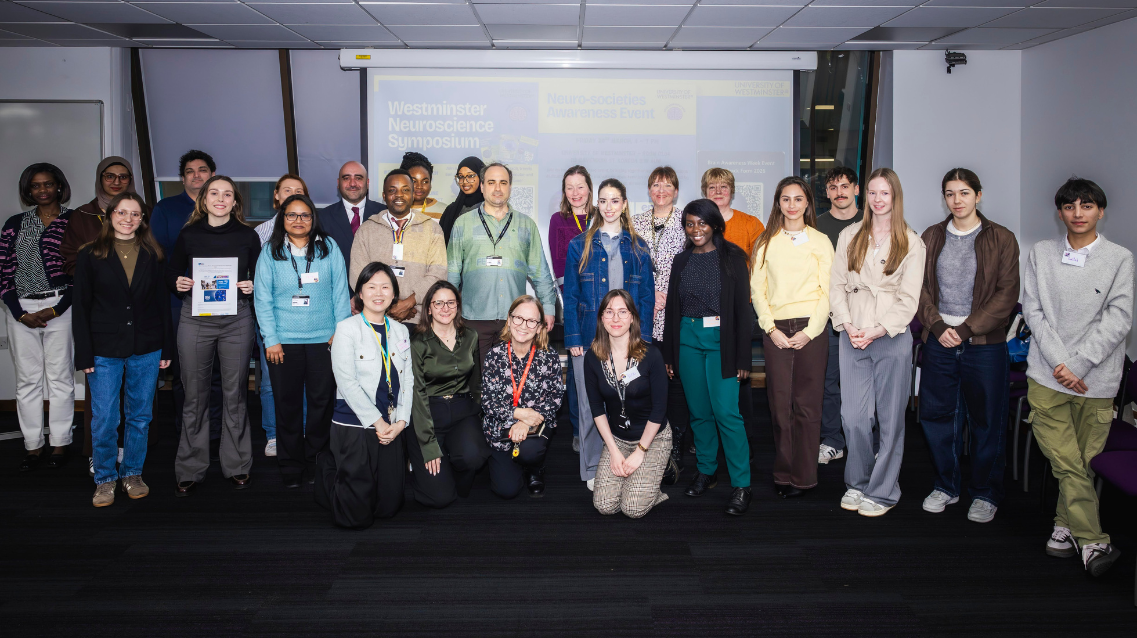
On Wednesday 18th March the third annual Westminster Neuroscience Symposium was held, where thirteen invited speakers contributed from across career stages (undergraduate and doctoral students, early and mid-career to professorship) and geographical locations, institutions and neuro-networks (University of Westminster, Imperial College Healthcare Trust, University of Southampton, University of Malta, and Cyprus institute of Neurology and Genetics, University Medical Centre in Amsterdam, BNA and Gut-Immune Brain Axis (GIBA)). Attendees were welcomed from across the world to attend in-person or online. This year, the symposium celebrated interdisciplinary neuroscience research, from clinical approaches to the effect of diet and environmental factors on the life of patients with neurological conditions. The morning session included talks on ageing, microglial expression and ketogenic diet in Epilepsy, endogenous retroviral expression in Amyotrophic Lateral Sclerosis (ALS), gene therapies in Inherited Neuropathies, and experimental models of hypoglycaemia and ischaemia. The afternoon session focused on clinical trials in acute stroke mental health and cognition relating to neurodiversity and gastrointestinal health. Students were encouraged to present their research posters and to discuss their studies with professionals. Giulia Cavallo, a final-year Biomedical Science student said: “The symposium was a great experience to engage with new ideas and network with professionals from the UK and abroad and expand my understanding and passion for neuroscience research”.
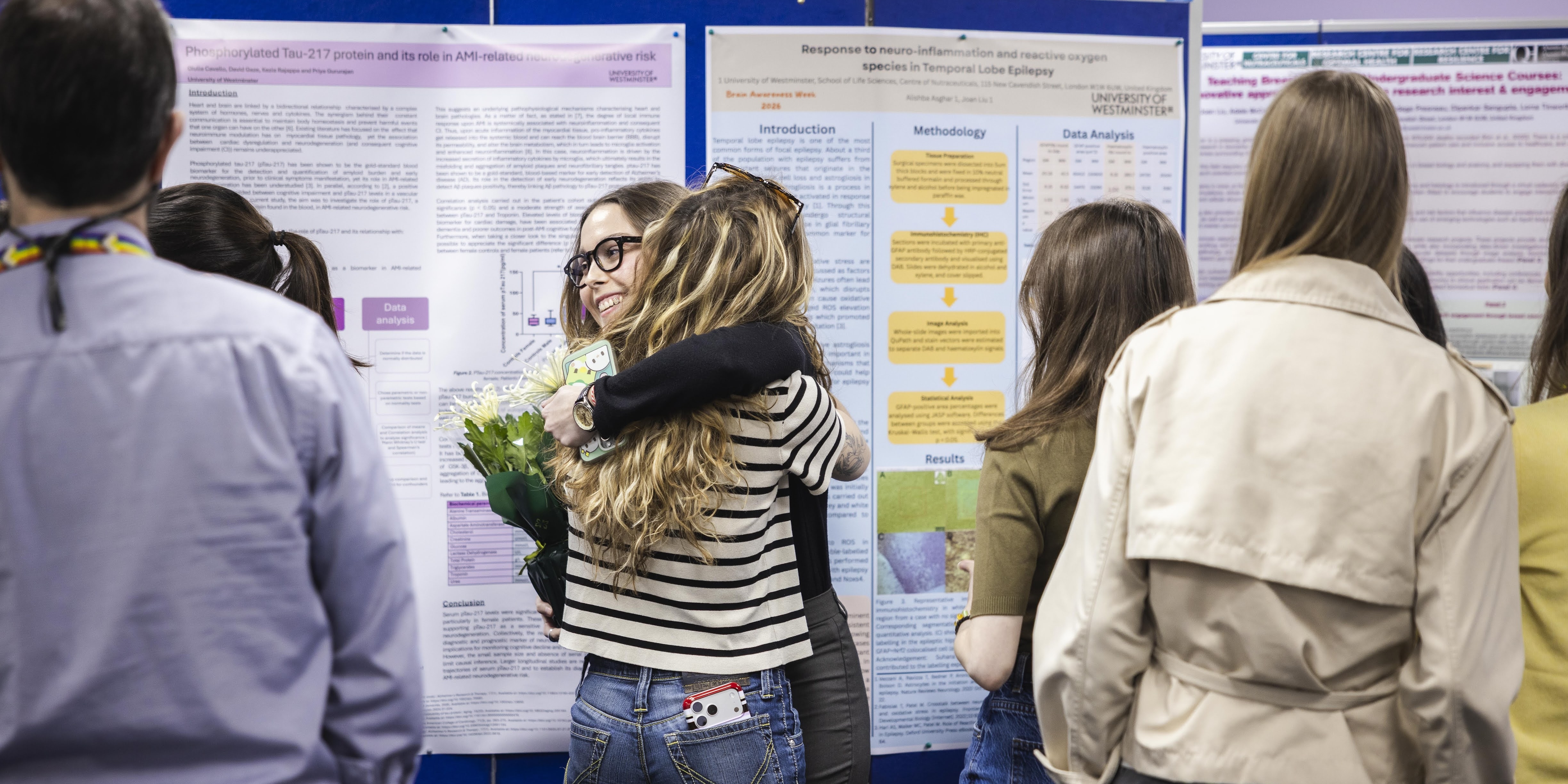
Poster prizes were awarded at the conclusion of the session
A creative arts session was held on Thursday 19th March 2026 where participants learned about neuroanatomy through painting a 3D human brain model. The 3D brains were printed in-house at the University of Westminster’s Fabrication Laboratory based on a template created from MRI scans of a human brain. Participants learned about the different lobes, sulci, and cortical regions and their functions, and each student could paint the brains as they wished, which resulted in a colourful display of brains, showing unique interpretations of neuroanatomical structures. Afterwards, participants completed feedback questionnaires and reported feelings of relaxation and pressing the need for more learning sessions to be structured in this interactive style to encourage engagement and social interaction amongst students. All participants rated the quality of the session as excellent and agreed that the activities were considerate and inclusive to all including neurodivergent individuals. One commented: “The session was very therapeutic and helped me distract, while still being educational, from my assignments in this busy season”.
The finale event was the NeuroSocieties Awareness Evening on Friday 20th March 2026, where nine societies supporting different neurological conditions, including Brain Buddies UK, Epilepsy Society, Age UK, Motor Neuron Disease Association, Silverlining Brain Injury Charity, Brainkind, ATTEND, ADHD Aware, Change Live Grow, gave detailed talks on their missions, current initiatives and research, and public engagement activities. This event highlighted the importance of patient involvement in research and the varied patient needs beyond traditional medicine. Victoral Sol, a cognitive and clinical neuroscience student said: “What stood out to me is how much of this work happens beyond hospitals and research labs. A lot of long-term impact seems to come from community support, education and day-to-day interventions that don’t always get highlighted”.
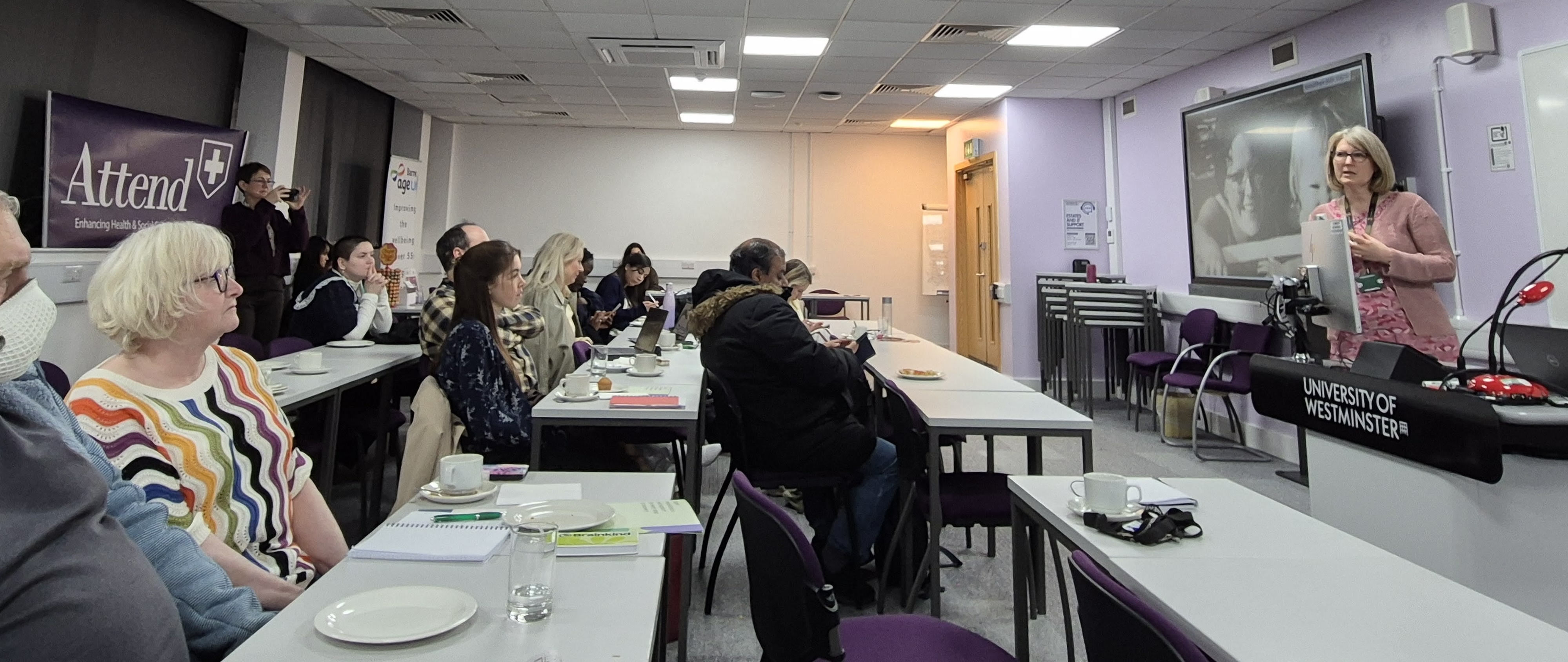
The NeuroSocieties Awareness Evening brought a range of community perspectives to the week
Overall, our Brain Awareness Week events at the University of Westminster have brought together people from different background and level of experience to celebrate and learn about the importance of brain-related research, from the perspective of researchers, practitioners, and patients.
If you could change one thing to support neuroscience in your local area, what would it be? Do your peers and others across the different institutions in your area feel similarly? By joining your BNA Local Group and working with your Local Group Representatives to devise a strategy and secure project funding, together you can drive local change, and take collective ownership over the future of neuroscience where you are.