Readable Research: Making Neuroscience Research Accessible
My name is Scott Allen. I'm a senior lecturer at the Sheffield Institute for Translational Neuroscience at the University of Sheffield-SITRaN. I am metabolic neurobiologist specialising in central nervous system disorders like motor neuron disease and dementia. I'm also the director of Readable Research, which is a lay summary initiative making scientific research more accessible and understandable to the public. We produce clear, simple summaries of scientific research hot off the press. The aim is to let people know what is going on in neuroscience by working alongside lay panels made of members of the public who review our lay summaries before they are published, to make them as “readable” as possible.
The idea of readable research came from a conversation I had with somebody with motor neuron disease, we were talking about some of the great research that goes on across the world, and they said, "Well, one, I don't have access to this because not all research is freely available, and two, even if I did have access, I don't understand much of it."
So that really got me thinking, how can we make research accessible to the people who really matter, who have a vested interest in what's going on and are part of the fund-raising effort that goes into charity-funded research. As I was thinking about this the world changed and COVID hit us all. For our team in Sheffield, this closed the labs and I was thinking of ways that I could keep my team busy and also help them build their skillsets. During a walk with my dog, where I tend to have my best inspirations, I came up with the idea that we would look at a recent neuroscience papers, write summaries of them and upload them onto a website for people to read. So that's what we did. I ended up building a fairly basic website where we could upload our summaries and then started sharing this on Twitter as well as other social media channels, the website at the time was called Hot Off The Press.
Once we were back in the lab working, I was discussing Hot Off The Press with our head of department, and he thought this was a great idea and asked why should we just focus on motor neuron disease? Why not expand it? So that's what we did. We expanded it to neuroscience research in general, and we started recruiting writers across SITRaN to work on not only motor neuron disease papers, but also Parkinson's, dementia and stroke.
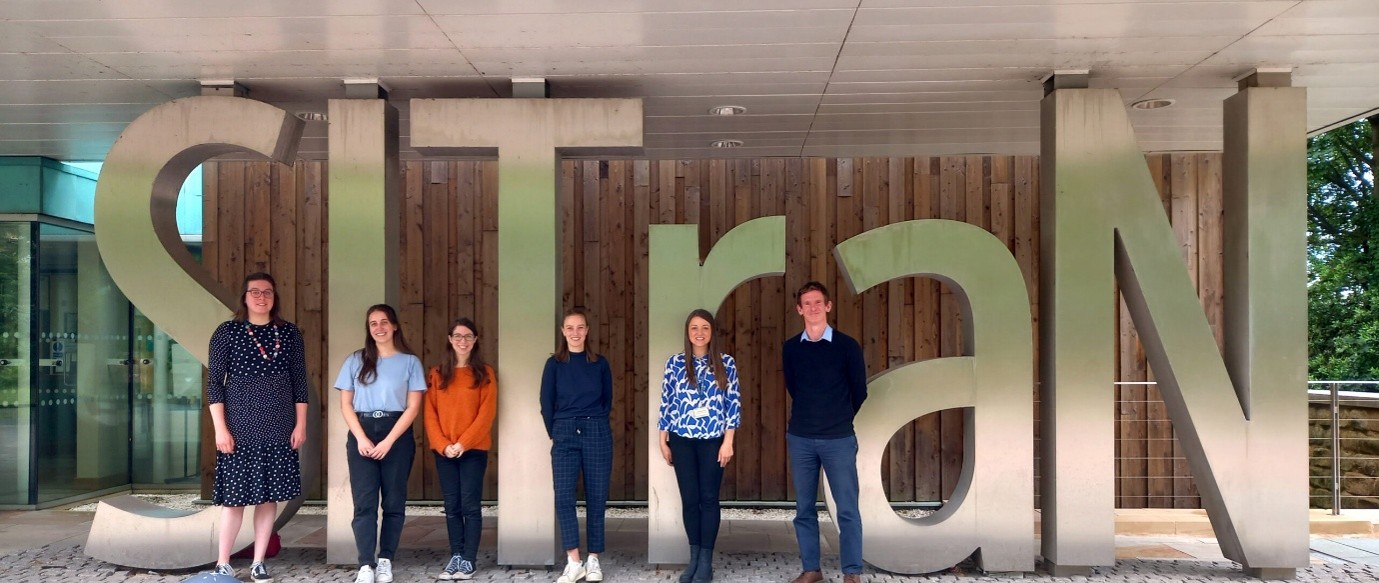
How it worked at the time was that we would pair a writer with an academic reviewer, and then the academic reviewer would give the writer feedback on the summary, before it was uploaded to the website. This initially seemed to be fine, but quickly it was clear to me that to have a greater impact we need to involve the public. So, I started recruiting members of the public, all volunteers just like all our writers and reviewers, to form lay panels.
We formed a motor neuron disease lay panel, a Parkinson's disease lay panel, and a dementia lay panel and the summaries for those research areas started getting public feedback before they were put onto the website. I think this is really important because it provides direct feedback from the people who really matter, our audience.
This took us to 2023, and I started thinking strategically about accessing a larger audience and getting what we were doing more widely known. To do this I needed expert help and I started working with a company called Waverley Consultancy, specifically Stephen Naylor. Stephen and I met as trustees of the MND charity, the Nick Smith Foundation, and Stephen is an expert in strategic communication and all-round great guy. Stephen came up with the idea of Readable Research and led the rebranding and launch of the website in September 2023 and has been pivotal in the success of Readable Research, which is now top of the list when you google it! We now have over 30 writers and reviewers writing summaries on not only neuroscience research but also research in cardiovascular disease, inflammation, and imaging. At the last look, we had 175,000 visits to the website since it became Readable Research, with half a million social media interactions, and a quarterly newsletter with over 350 subscribers, which is absolutely fantastic.
We've have expanded beyond just writing lay summaries. Dr. Marianne King, who's an early career researcher in SITraN, leads on “Lab Lives” which demystifies what happens inside our labs so people can understand more about our scientists, how they work, and why it matters. With building skillsets in mind, we have incorporated Readable Research into our Neuroscience MSc courses and have been running the Readable Research MSc lay summary prize for the last two years. This has increased engagement from our students and allows them to develop their lay writing skills and build their CVs.
We've also started working with more people who are directly affected by diseases. For example, we work with Dr Rick Nelms, a Biologist, Educator, MND Advocate, Living on the Autistic Spectrum, and Artist Living with Motor Neuron Disease. Rick produces artwork about what it’s like to live with MND and also produces artwork on our lay summaries, which is fantastic and increases our appeal and accessibility.

Image - Insomnia by Rick Nelms - www.readableresearch.com/artwork/mnd/
We have partnered with the Sheffield Biomedical Research Centre and more recently with LifeArc whose generous funding (alongside funding from SITRaN and the Sheffield Biomedical Research Centre) has allowed Readable Research to expand and grow. We had two early career researchers attend the LifeArc Translational Summit in May 2026 and produce lay summaries of some of the talks, which is new experience I would be keen to build on.
I am hugely proud of the bank of 150 lay summaries which Readable Research now hosts – a number that is growing all the time, and I also want to thank everyone who has been involved in our journey so far – not least our writers, reviewers and lay panel members who all volunteer their time and expertise to make it happen. This is a project I hope you can tell I am passionate about, and any help with the relatively small amount of funding required to keep it going compared to the big impact it has would always be appreciated. Any new eyes on our summaries, and sign ups to our email, are always very welcome – you can sign up at www.readableresearch.com/signup
For us, there are no limits to what we can achieve in this vital mission. We want people to understand why the research taking place in our labs, which can often seem distant from the challenges they face today, matters so much. Most importantly, this research has the potential to benefit not only individuals in the future, but us all tomorrow.
Dr Scott Allen - ECR BNA Member