Save the date
At BNA2027, some of the most influential and exciting voices in neuroscience from the UK, Europe and the United States will come together to explore these questions and many more.
From pioneering work on brain stimulation, visual processing and the neural mechanisms of learning and decision-making, to groundbreaking research into neurodegeneration, brain resilience and emerging therapeutic approaches, the Festival's plenary programme brings together an exceptional breadth of expertise and perspectives. Across eight plenary sessions, these internationally recognised speakers showcase the quality, ambition and diversity of contemporary neuroscience.
But this is about more than an impressive line-up of names. BNA2027 is an opportunity to hear directly from the people advancing the field, discover connections between different areas of research, challenge thinking and be part of the conversations shaping the future of neuroscience.
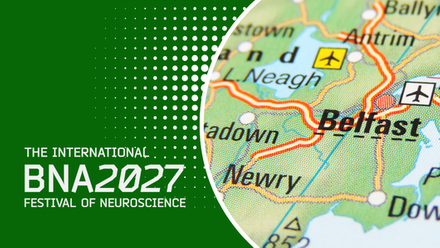
Taking place in Belfast from 25–28 April 2027, the British Neuroscience Association's 8th International Festival of Neuroscience will bring together more than 1,000 researchers, clinicians, industry representatives, policymakers and patient representatives. Across three days the programme spans 11 themes, reflecting the extraordinary breadth of contemporary neuroscience – from fundamental brain mechanisms to clinical research, emerging technologies and translational applications.
Early bird registration closes on 30th November 2026. Register now to benefit from discounted rates and join us in Belfast from 25–28 April 2027. Here's a closer look at the outstanding experts and plenary sessions that will headline BNA2027.
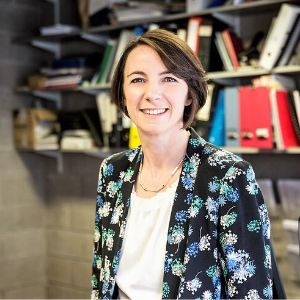
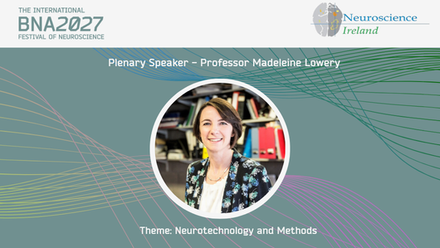
Opening up new possibilities for the treatment of Parkinson's disease, Professor Madeleine Lowery (University College Dublin) will explore the next generation of deep brain stimulation. In her plenary, Next Generation Deep Brain Stimulation for Parkinson's Disease: Modelling, Neural Dynamics and Closed-loop Control, sponsored by Neuroscience Ireland, she will examine how advances in computational modelling and our understanding of neural dynamics are helping to develop more sophisticated, responsive approaches to brain stimulation.
A leading researcher in neurotechnology, Professor Lowery's work sits at the intersection of engineering, neuroscience and clinical application. [Discover more about Professor Lowery and her research.]
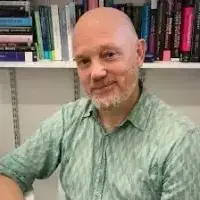
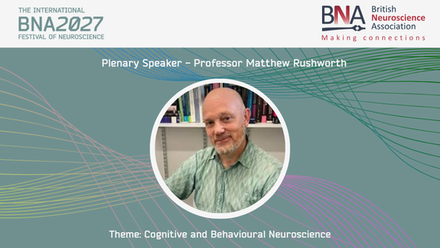
The relationship between brain function, cognition and decision-making will also feature prominently in the programme. Professor Matthew Rushworth (University of Oxford) will explore Mechanisms for Learning and Inference in Prefrontal Cortex and Hippocampus, examining how these key brain regions contribute to learning and the ability to make sense of the world around us.
Professor Rushworth’s research has made major contributions to our understanding of the neural mechanisms underlying decision-making, learning and adaptive behaviour. [Read our speaker profile on Professor Rushworth.]
Professor Matteo Carandini (UCL) studies how the brain processes visual information, with a particular focus on the visual cortex and the networks of neurons responsible for interpreting what we see.
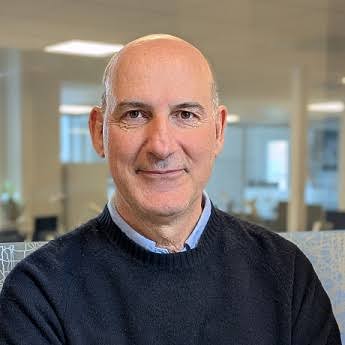
Co-director of UCL's Cortical Processing Laboratory, his research investigates how individual neurons and populations of neurons communicate and work together to process visual information. Working primarily with mice, he explores the neural mechanisms underlying vision, from the eye and thalamus to the early visual areas of the cerebral cortex.
Professor Carandini’s plenary, The Odds of a Decision, brings his expertise in visual neuroscience and the computational principles of brain function to the BNA2027 programme.
Neurodegeneration and the search for new therapeutic approaches feature strongly in the BNA2027 programme. Alzheimer’s Research UK’s dedicated Neurodegeneration track will form part of the wider scientific programme, complementing a diverse range of sessions spanning the full breadth of neuroscience.
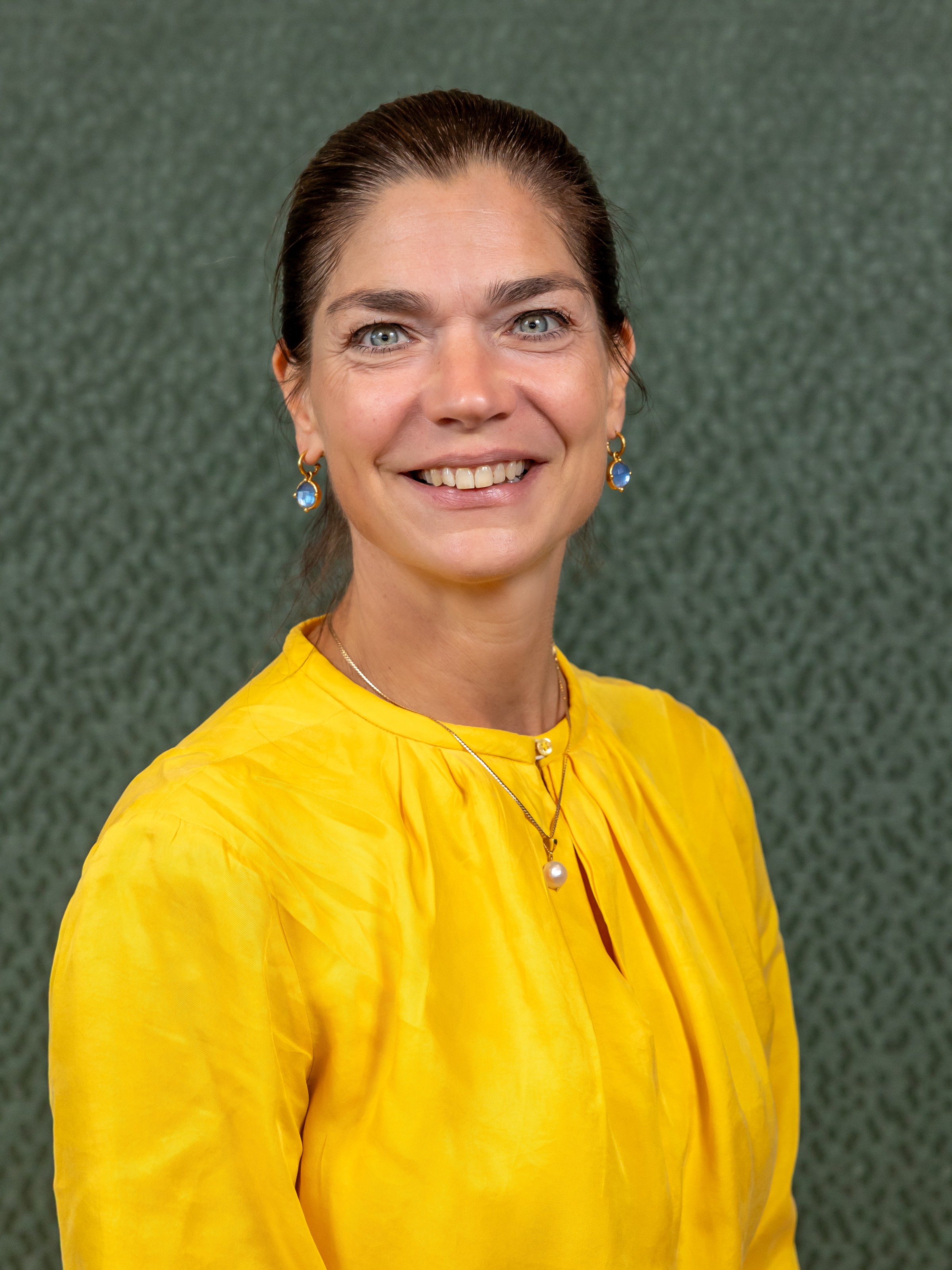
Professor Henne Holstege (Amsterdam UMC) is one of the leading researchers investigating why some people maintain their cognitive abilities into extreme old age. Her plenary, sponsored by Alzheimer’s Research UK, Decoding Natural Resilience Against Cognitive Decline: What Can We Learn from Cognitively Healthy Centenarians? will explore what we can learn from people who remain cognitively healthy well into their hundreds, and how understanding their biological resilience might help inform future approaches to preventing or delaying cognitive decline.
Professor Holstege’s work is helping to reshape how researchers think about ageing and dementia, looking beyond disease mechanisms to understand the factors that protect the brain. [Discover more in our Q&A with Professor Holstege.]
At Brown University, Professor Diane Lipscombe, Thomas J. Watson, Sr. Professor of Science and Professor of Neuroscience, has dedicated her career to understanding voltage-gated calcium ion channels and their essential roles in the nervous system.
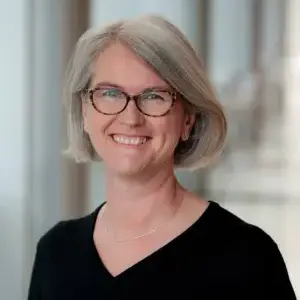
As Director of the Robert J. & Nancy D. Carney Institute for Brain Science, Professor Lipscombe brings extensive research and leadership experience to her plenary, sponsored by Guarantors of Brain, Forms and Functions of Calcium Ion Channels in Health and Disease. Her work explores how these channels are expressed, regulated and function across the nervous system, with important implications for understanding neurological and psychiatric conditions.
One of the programme's particularly topical discussions, sponsored by The Physiological Society, brings together four experts to examine an emerging area of therapeutic research: Do GLP-1 Receptor Agonists Alleviate Neurodegenerative Disease?
With growing interest in the potential of GLP-1 receptor agonists beyond their established applications in metabolic disease, this panel will consider what the science tells us about their potential in neurodegeneration.
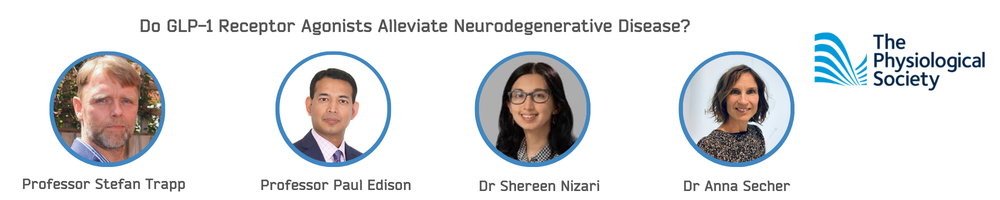
The discussion brings together expertise from across academia and industry. Professor Stefan Trapp (UCL), Professor of Autonomic Neuroscience and Metabolic Disease, will chair the panel. Joining him, Professor Paul Edison (Imperial College London), Professor of Neuroscience and Consultant Physician, brings expertise in Alzheimer's and Parkinson's disease, molecular neuroimaging and the identification of new therapeutic targets. Dr Shereen Nizari (UCL) contributes specialist knowledge of cerebrovascular physiology and neurodegeneration, investigating how changes in cerebral blood flow and neurovascular function affect brain health, particularly in Alzheimer's disease. Completing the panel, Dr Anna Secher (Novo Nordisk), Scientific Director, brings an industry perspective informed by extensive experience in neuroscience, GLP-1 biology and drug discovery. Together, the four speakers will offer a valuable opportunity to explore the science, therapeutic potential and outstanding questions surrounding this rapidly developing field.
Also exploring new approaches to understanding and tackling neurodegenerative disease, Dr Mootaz Salman (University of Oxford) will present Defining Mechanisms of Blood-Brain Barrier Dysfunction in Neurodegenerative Diseases Using Advanced Humanised In Vitro Models. The BNA are delighted to host Dr Salman’s lecture as the Biochemical Society 2027 Inspiration and Resilience Award Lecture.
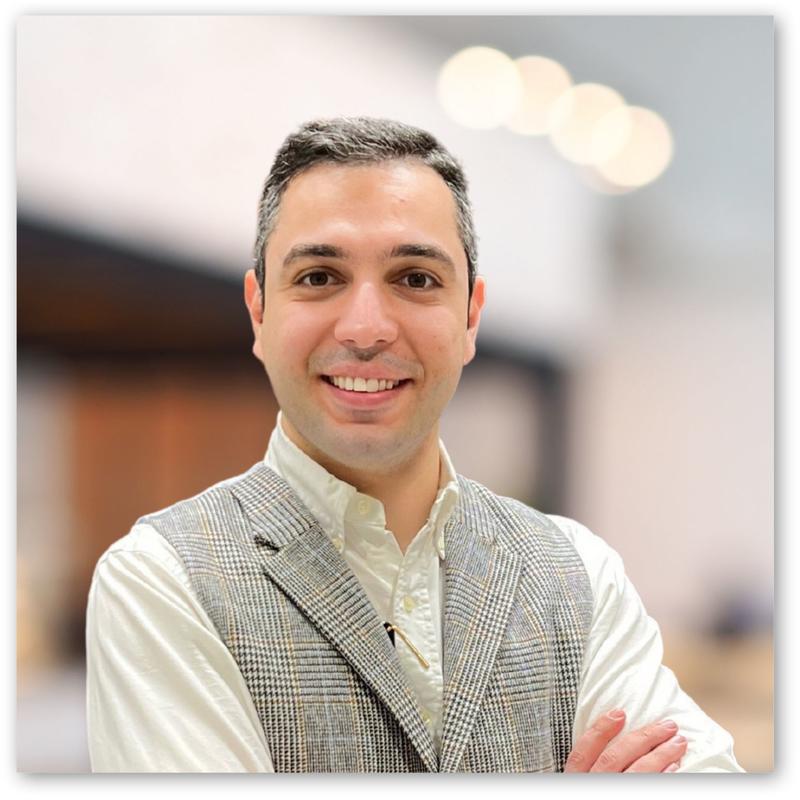
Dr Salman leads the Salman Group investigating the mechanisms underlying blood-brain barrier dysfunction in neurodegenerative diseases and brain injuries. His team develops innovative human stem-cell-based models, including organ-on-a-chip systems and organoids, to recreate the complex environment of the brain and investigate disease mechanisms.
Following research experience at Harvard Medical School and Boston Children's Hospital, Dr Salman established his independent research programme at Oxford. His work has attracted significant recognition, including the ALBA-Roche Research Prize for Excellence in Neuroscience and the Alzheimer's Research UK David Hague Early Career Investigator of the Year award, both in 2024.
Not all the plenaries will focus on scientific discoveries alone. One of the programme's more unusual and interactive sessions will invite three distinguished neuroscientists to reflect on the papers that have shaped their careers.
Inspired by Desert Island Discs, and sponsored by Wiley Advanced Portfolio, Desert Island Papers: What Are the Papers That Shape a Scientific Career? brings together Professor Emily Sena, Professor Richard Bethlehem and Professor Sergio Della Sala, each offering a different perspective on the research that has influenced their professional journeys.

Professor Emily Sena (University of Edinburgh), Professor of Meta-science and Translational Medicine, has dedicated her work to improving the reliability, transparency and reproducibility of biomedical research, particularly preclinical neuroscience. Through systematic reviews, meta-analysis and research methodology, she works to strengthen the translation of laboratory findings into clinical applications.
Professor Richard Bethlehem (University of Cambridge), Associate Professor of Neuroinformatics and Director of Neuroimaging at the University's Autism Research Centre, investigates typical and atypical brain development. His research combines advanced neuroimaging, genetics and computational approaches to understand the factors shaping neurodevelopment.
Professor Sergio Della Sala (University of Edinburgh) is a distinguished neuropsychologist whose work explores the relationship between brain function and cognition, with particular interests in memory, executive functions, visual perception and cognitive disorders.
Each speaker will select papers that have played a significant role in their career, reflecting on early influences, professional milestones, research that didn't go to plan and the work that still lies ahead. Expect an engaging and personal insight into the people, ideas and experiences behind scientific progress.
These twelve outstanding speakers and eight plenary sessions represent just one part of what promises to be an exceptional Festival of Neuroscience. Alongside the plenaries, delegates can explore an extensive programme of symposia, presentations and posters, discover emerging research, connect with colleagues across disciplines and sectors, and take part in networking, career development, social events and public engagement activities.
Whether you're interested in fundamental neuroscience, clinical applications, emerging technologies or the future of brain health, BNA2027 offers an opportunity to engage with the science and the people driving it forward.
Don't miss the opportunity to be part of Europe's largest neuroscience gathering of 2027! Early bird registration closes on 30th November 2026. Register before the deadline to benefit from discounted rates and join us in Belfast from 25–28 April 2027.
Explore the full scientific programme and register today at BNA2027.org.